Building by Building Information Modelling
How do we eat?
Why do we eat?
Where shall we have lunch?
Barefoot BIM and the RIBA API
toward non-scalable, convivial tools
a 3 part presentation:
Use your browser's print dialog. Select "Save as PDF" as the destination.
Building by Building Information Modelling
How do we eat?
Why do we eat?
Where shall we have lunch?
Barefoot BIM and the RIBA API
toward non-scalable, convivial tools
a 3 part presentation:
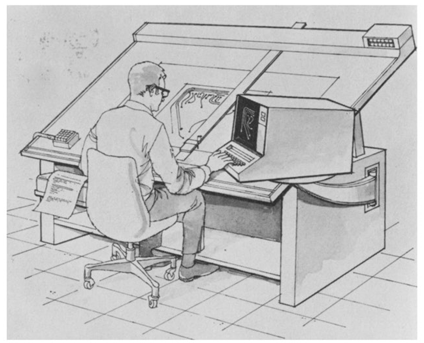
Consider for a moment a society of designers built upon machine aides that cannot evolve, self-improve, and most importantly, cannot discern shifts in context.
These machines would do only the dull ignoble tasks, and they would do these tasks employing only the procedures and the information designers explicitly give them.
Furthermore, since no learning is permitted in our not-so-hypothetical situation, these machines would have the built-in prejudices and 'default options' of their creators.
These would be unethical robots.
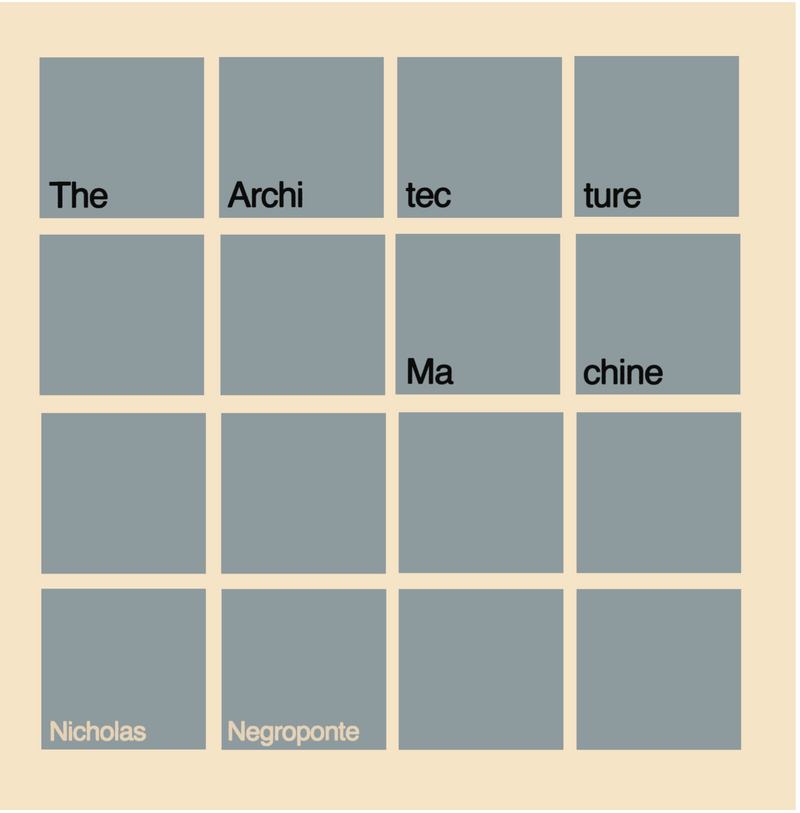
— The Architecture Machine - Nicholas Negroponte 1970
> part 1: how do we eat?
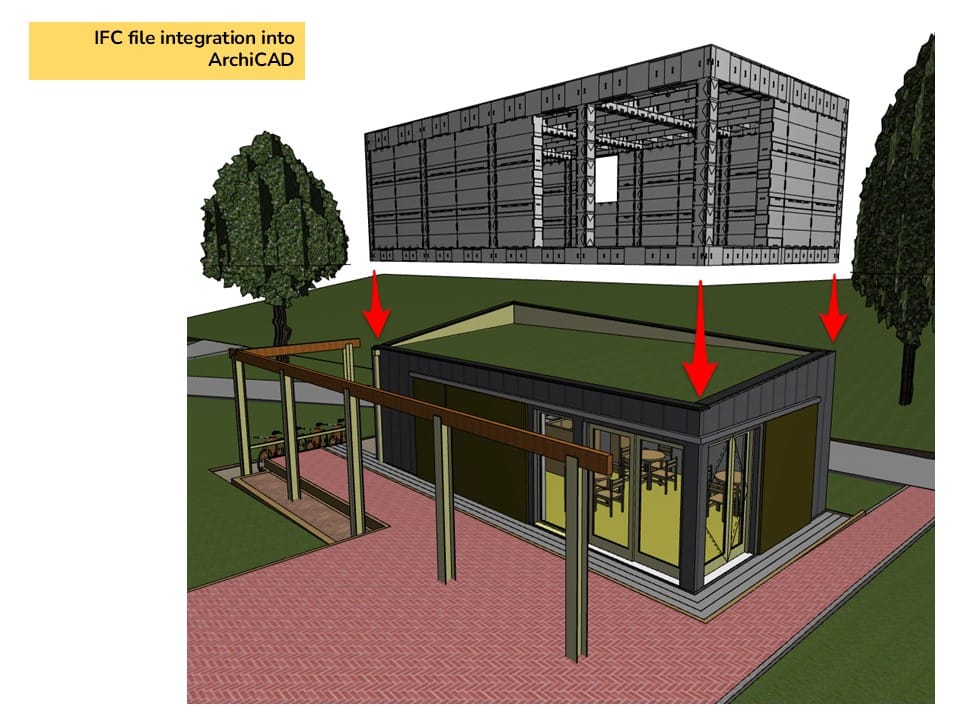
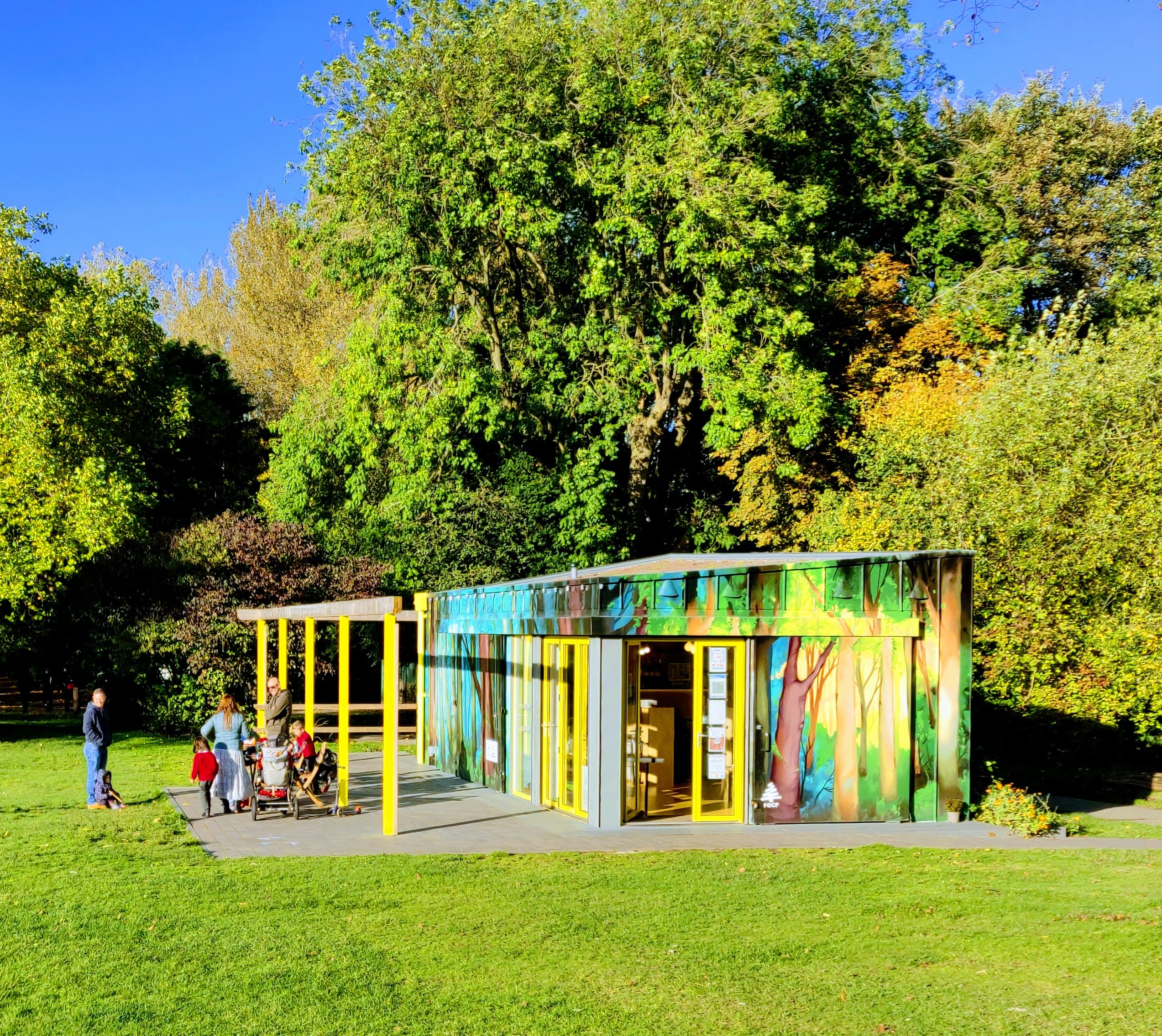
axisdesignarchitects.com
practitioners and
hopeful technologists
ArchiCAD users since 1995...
sharing projects at BIM events
writing, building, teaching
language model optimists and methodological experimentalists...
> part 1: how do we eat?

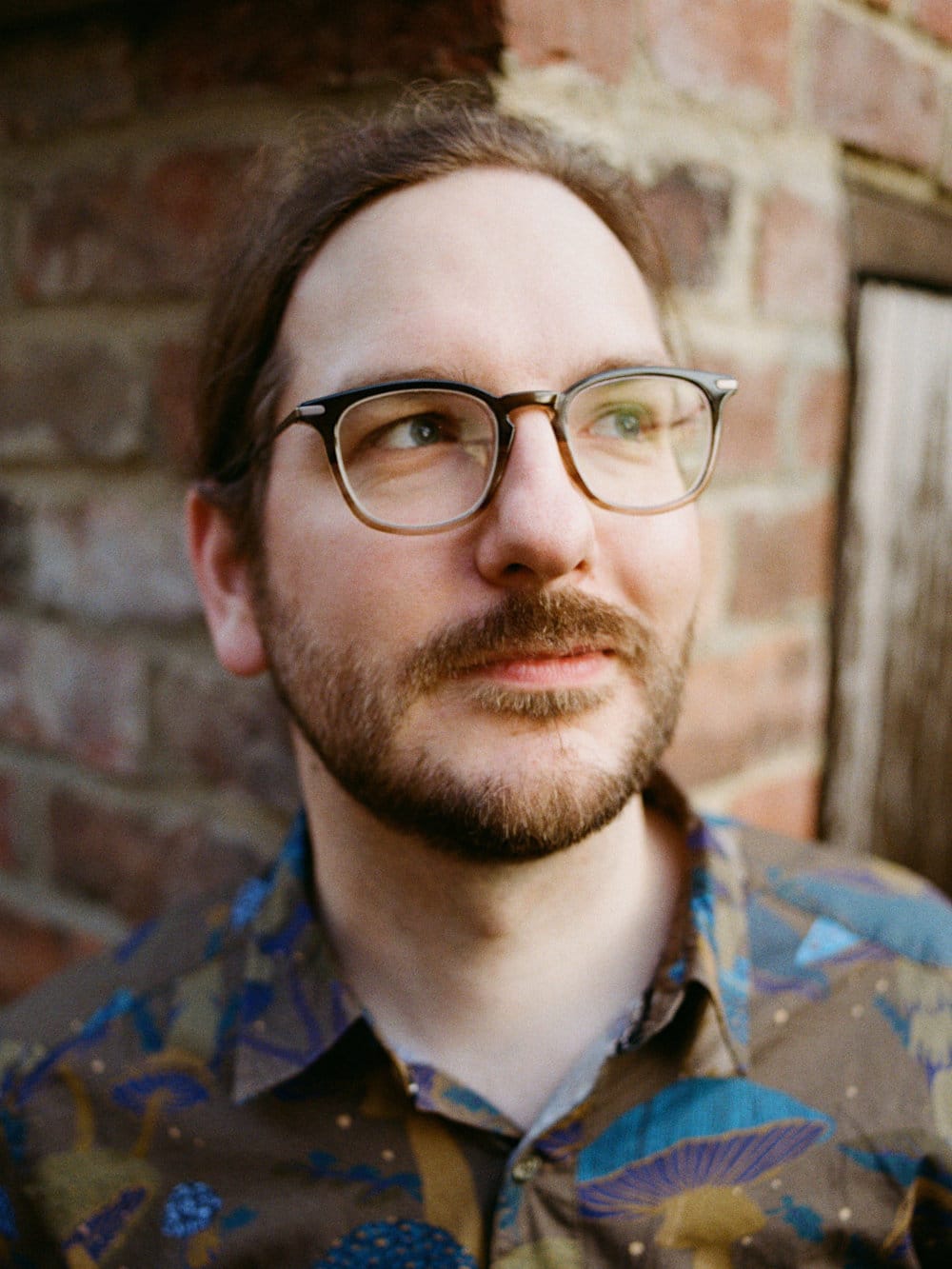
fieldsection.co.uk
We work on stuckness at the seams – where technical systems, regulation, and real use collide. Close enough to read the situation; clear enough to help it move.
One step to the left of delivery, while options are still live.
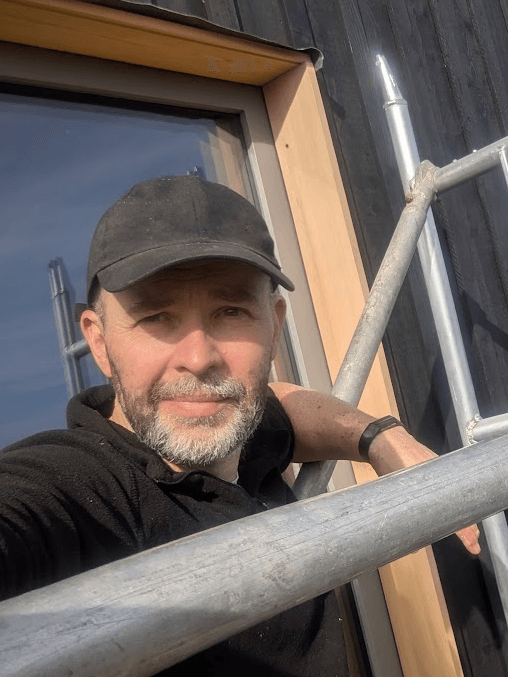
Dr Justin Pickard - Anthropologist
Rob Annable - Architect
> part 1: how do we eat?
Scalability is possible only if project elements do not form transformative relationships that might change the project as elements are added.
But transformative relationships are the medium for the emergence of diversity.
Scalability projects banish meaningful diversity.
Nonscalability theory allows scales to arise from the relationships that inform particular projects, scenes, or events.
— Anna Lowenhaupt Tsing, "On Nonscalability: The Living World Is Not Amenable to Precision-Nested Scales,"
what is nonscalability?
> part 1: how do we eat?
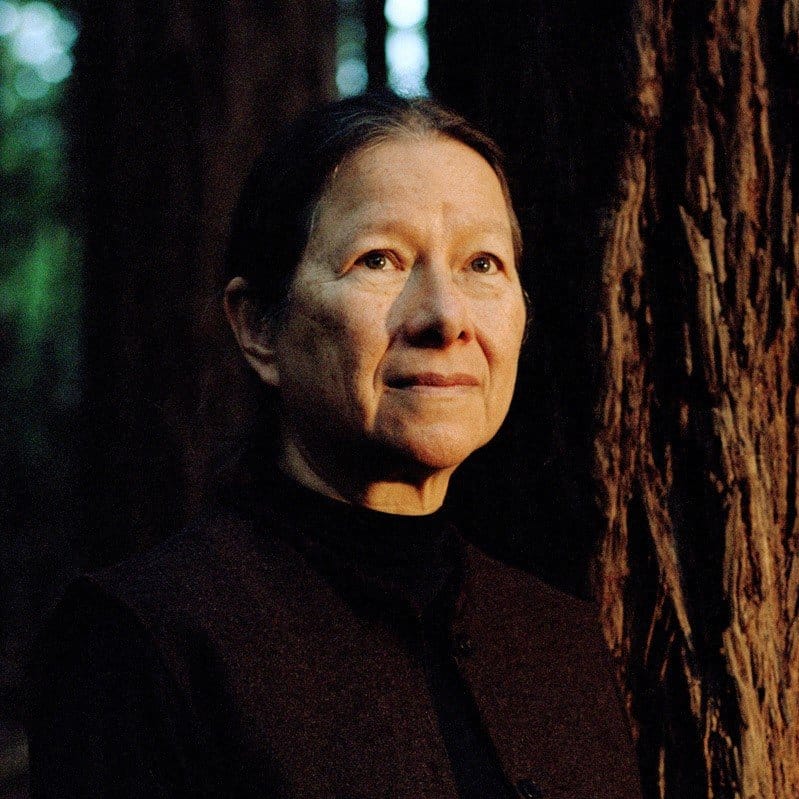
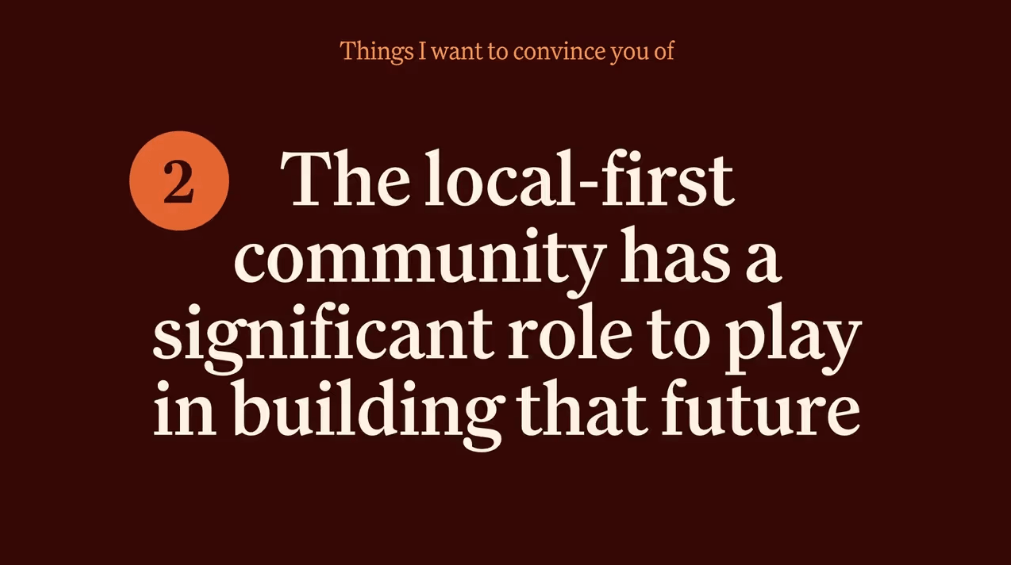
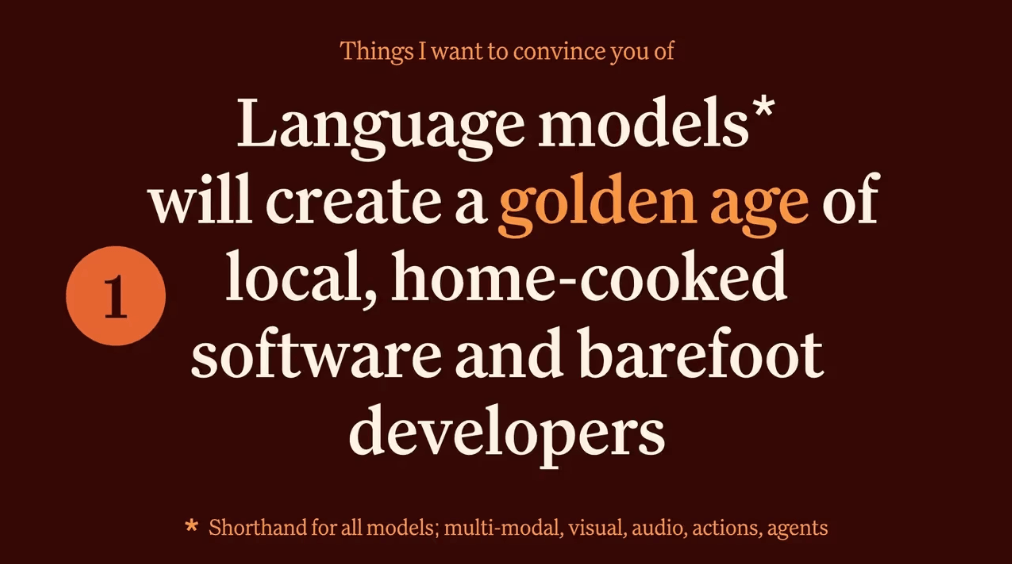
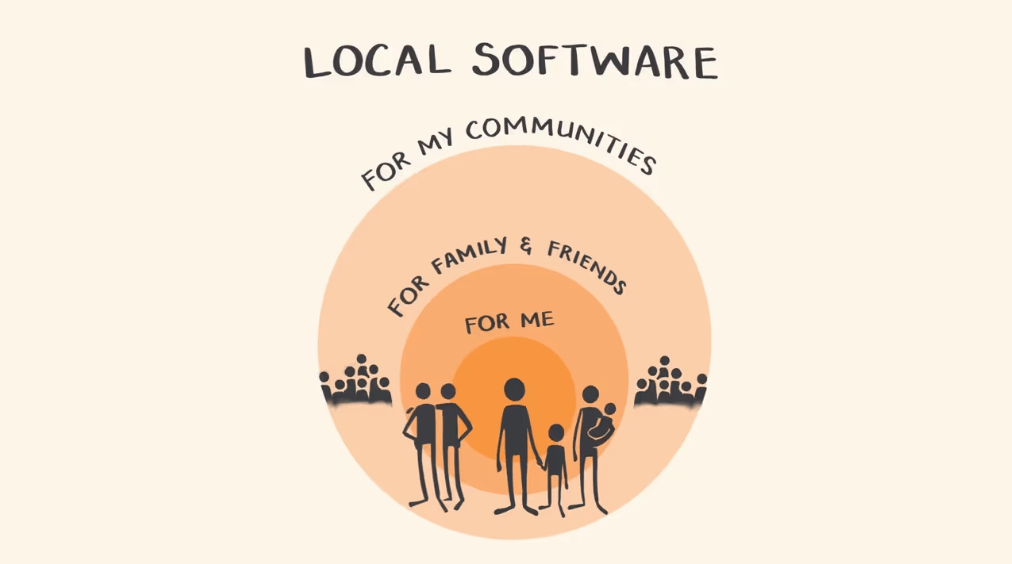
what are barefoot developers?
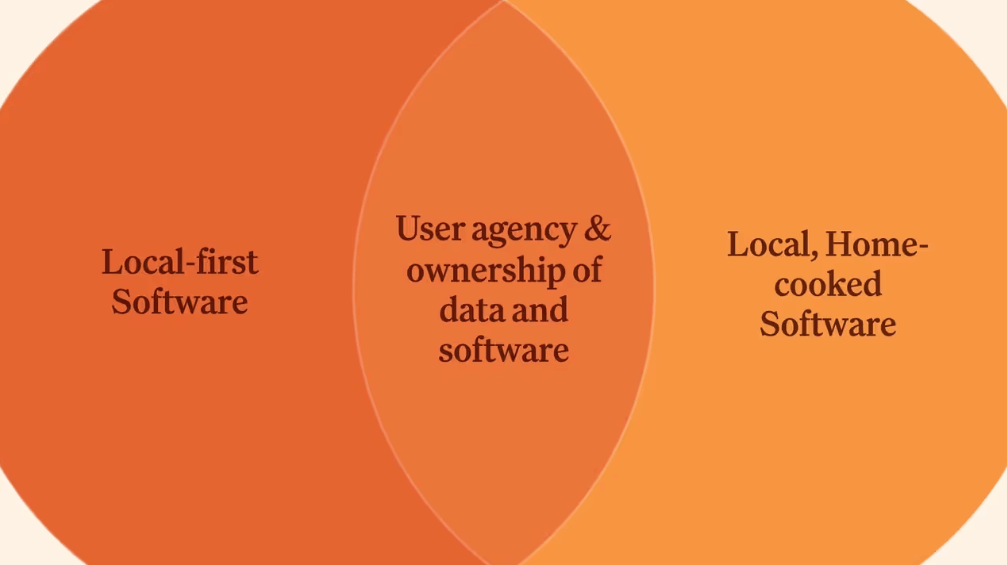
> part 1: how do we eat?
We get powerful, flexible tools that let barefoot developers make lots and lots of local, home-cooked software. They solve all kinds of specific, local problems for the people around them.
Their communities love it. They become dependent on what they’ve built.
But the software and the data behind it are all held in the cloud. And you have to keep paying a monthly subscription fee to access it.
And then suddenly the terms of service change. And there’s a giant advertisement in the middle of every homepage. And the subscription fee doubles.
And it turns out what they’ve built was never actually theirs all along.
— Maggie Appleton - Home Cooked Software 2024
[Ed: You mean vibecoding??]
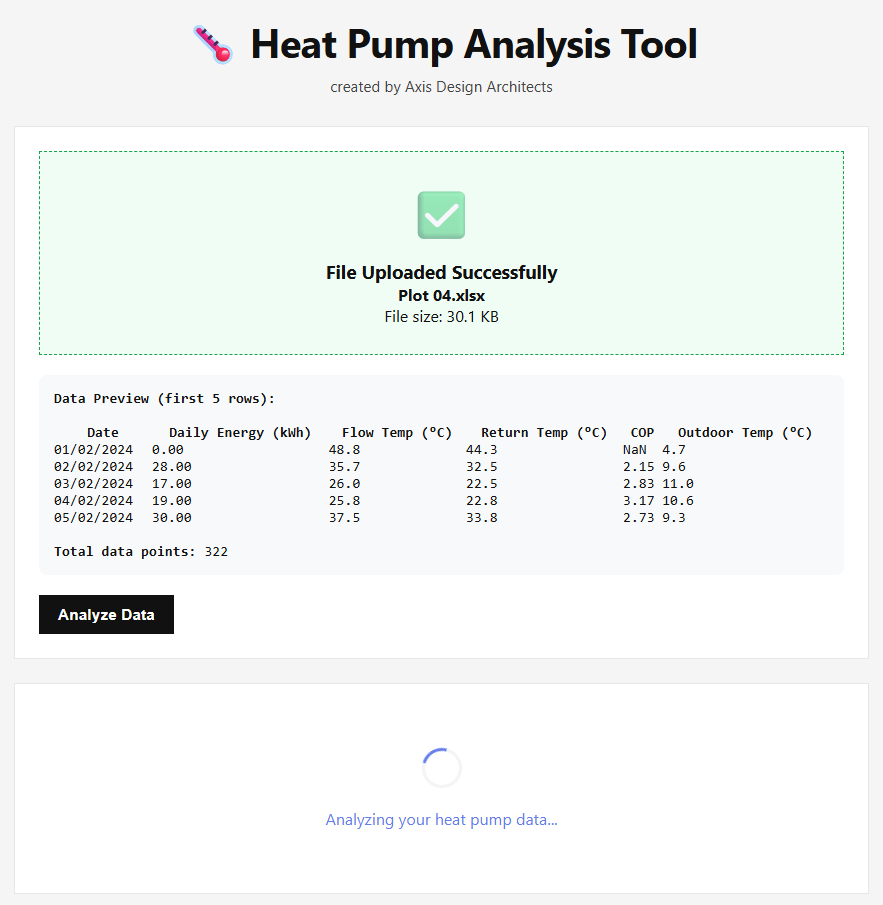
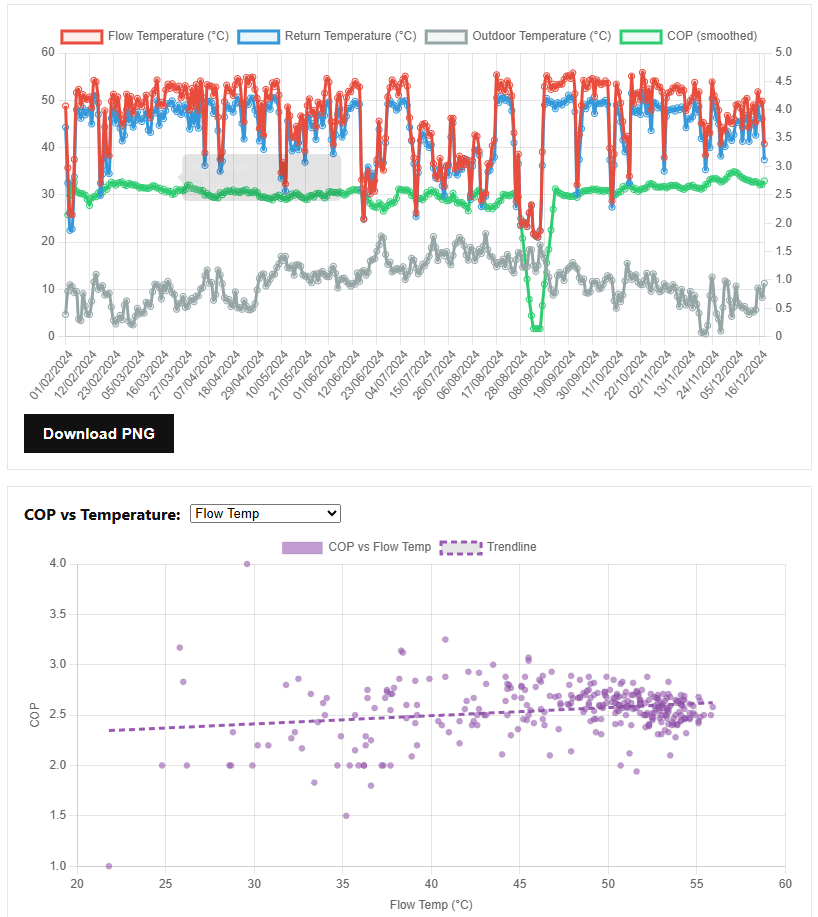
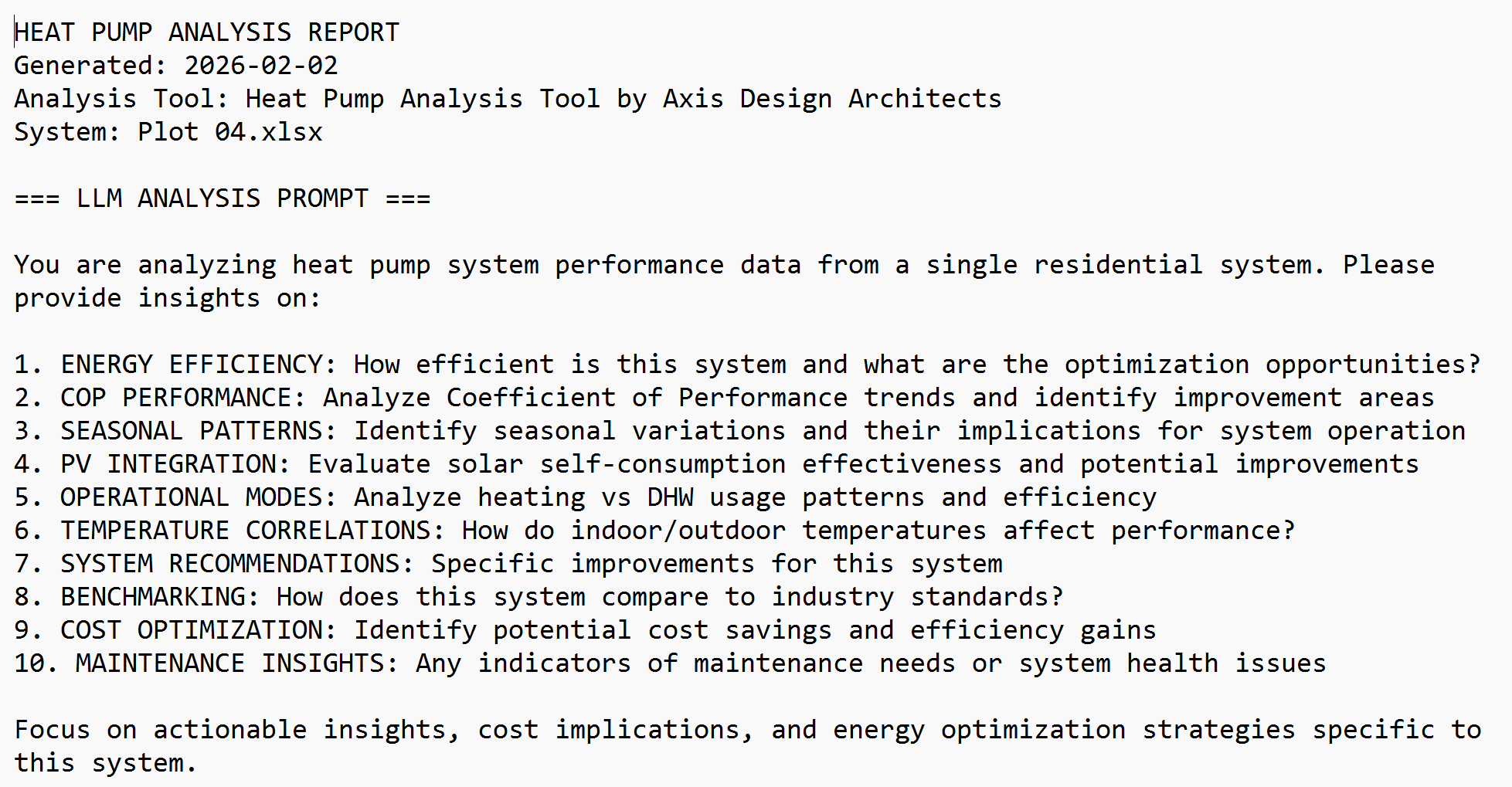
single file html tools
for large dataset analysis
> part 2: why do we eat?
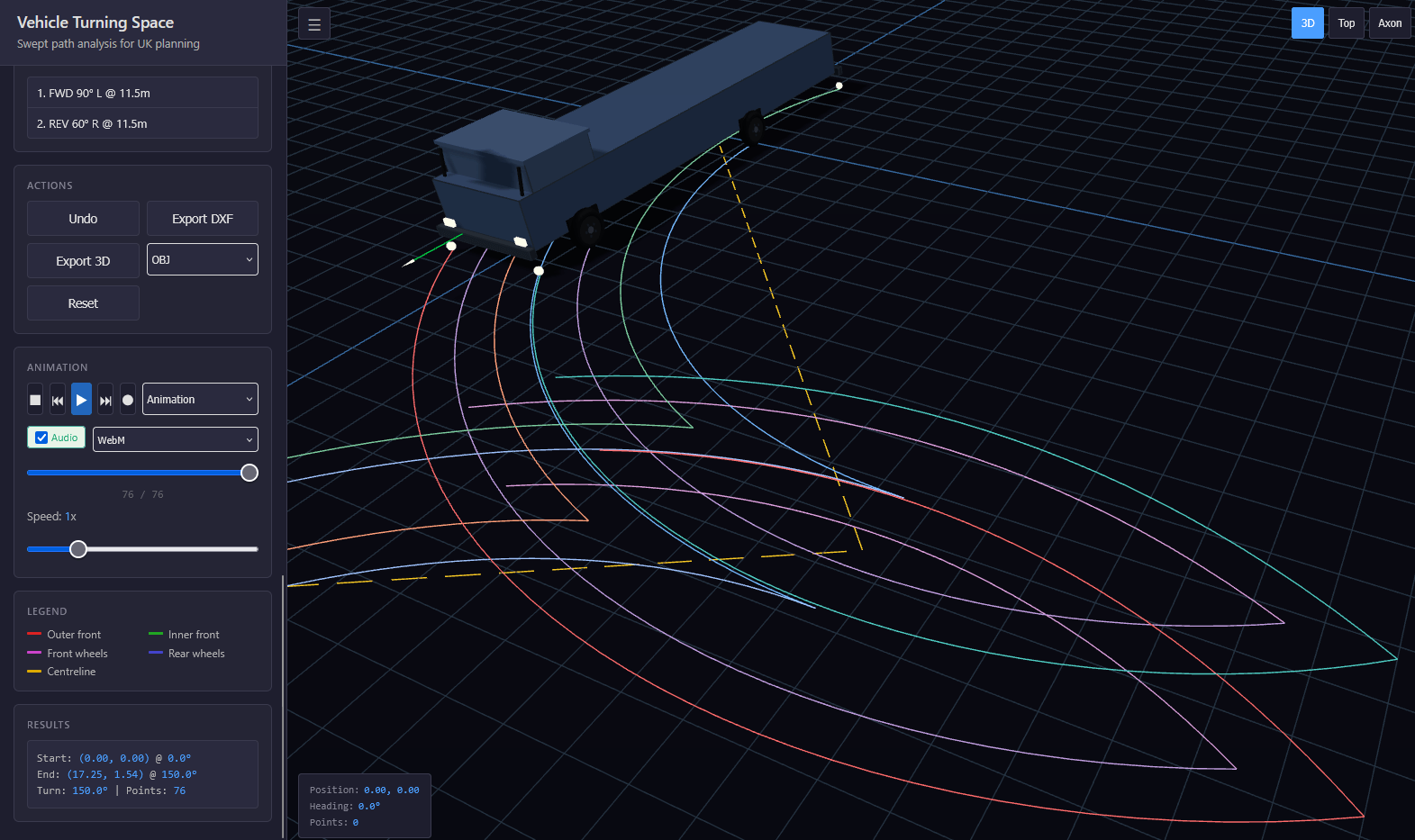
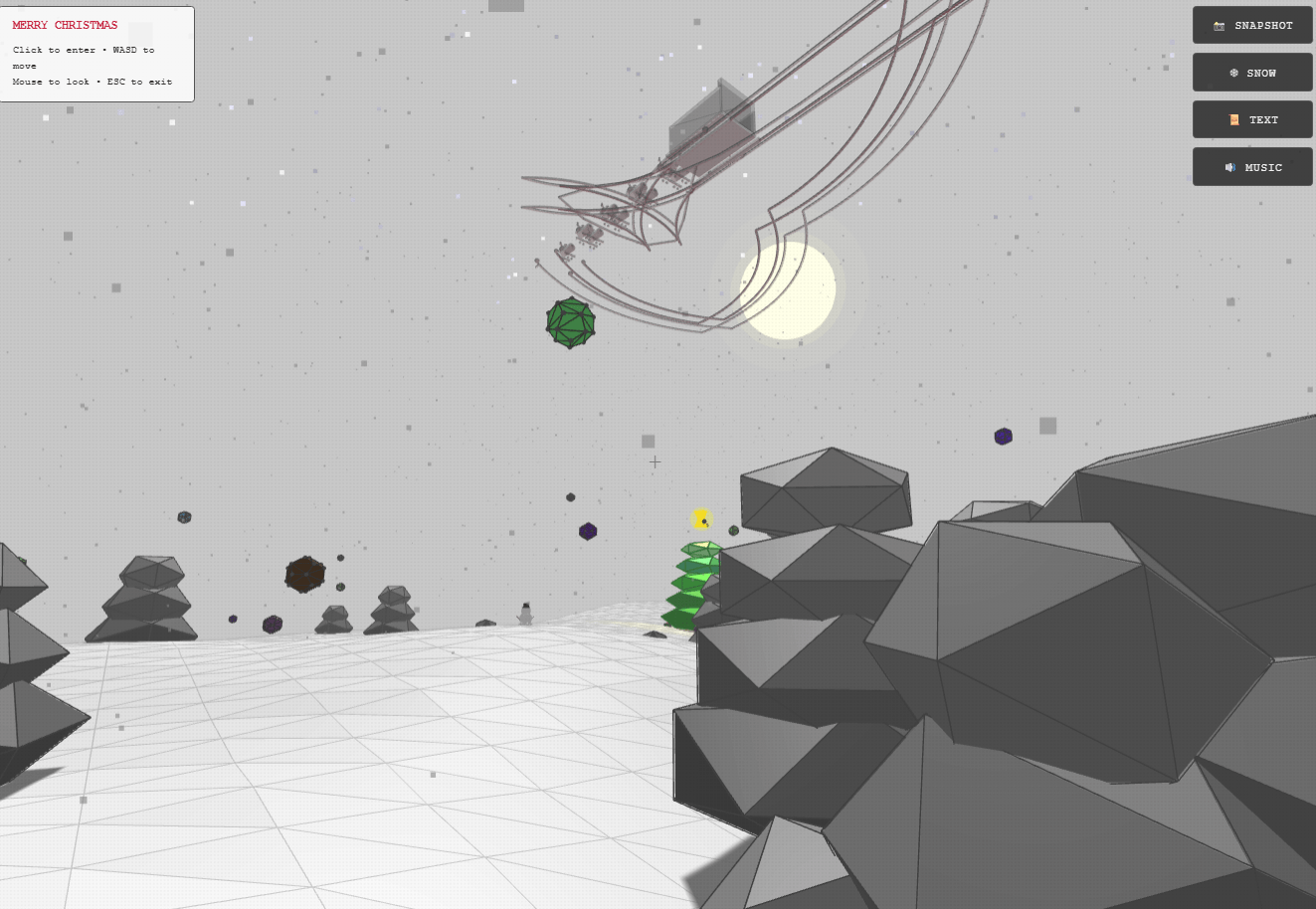
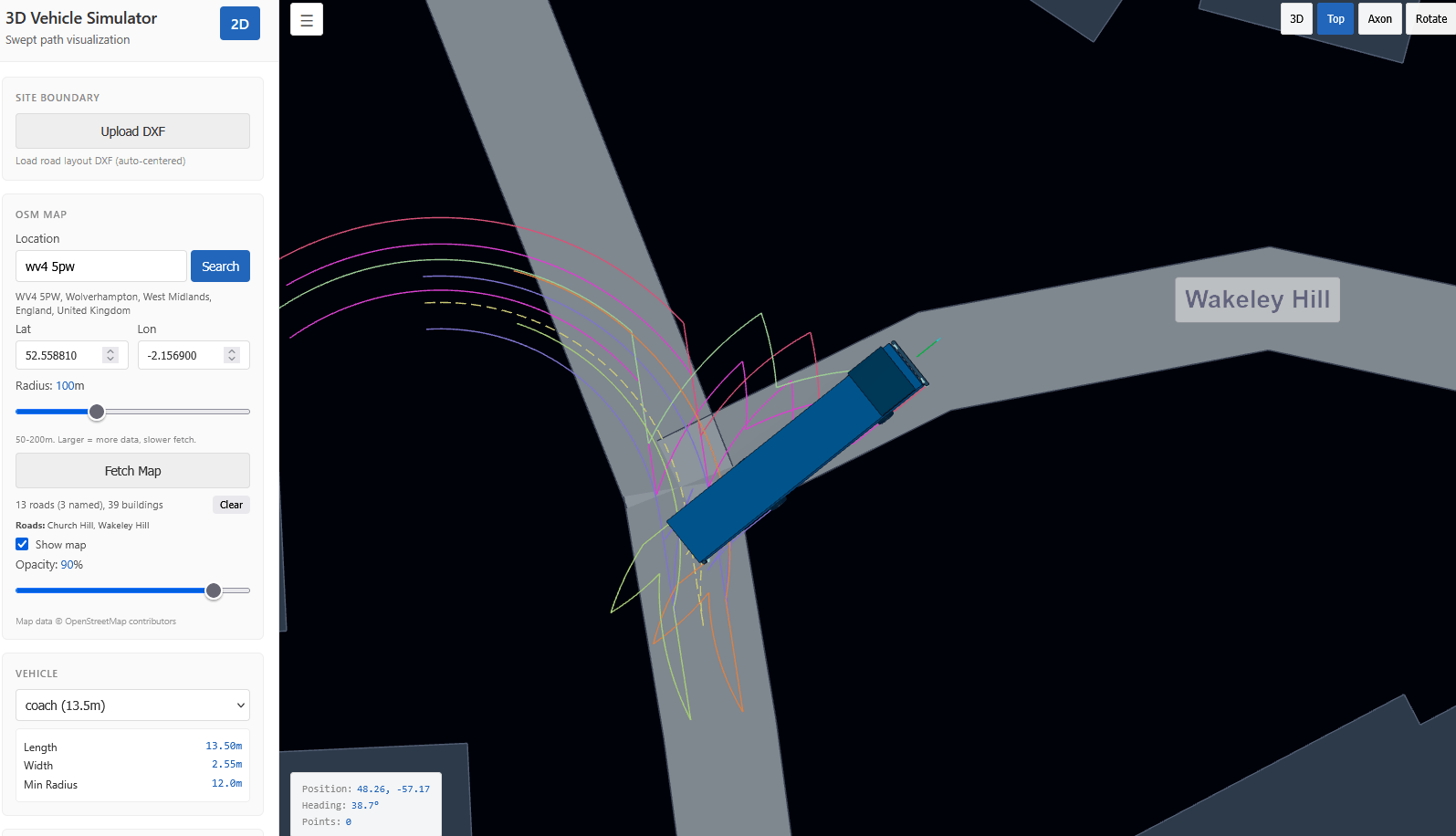
turning space analysis
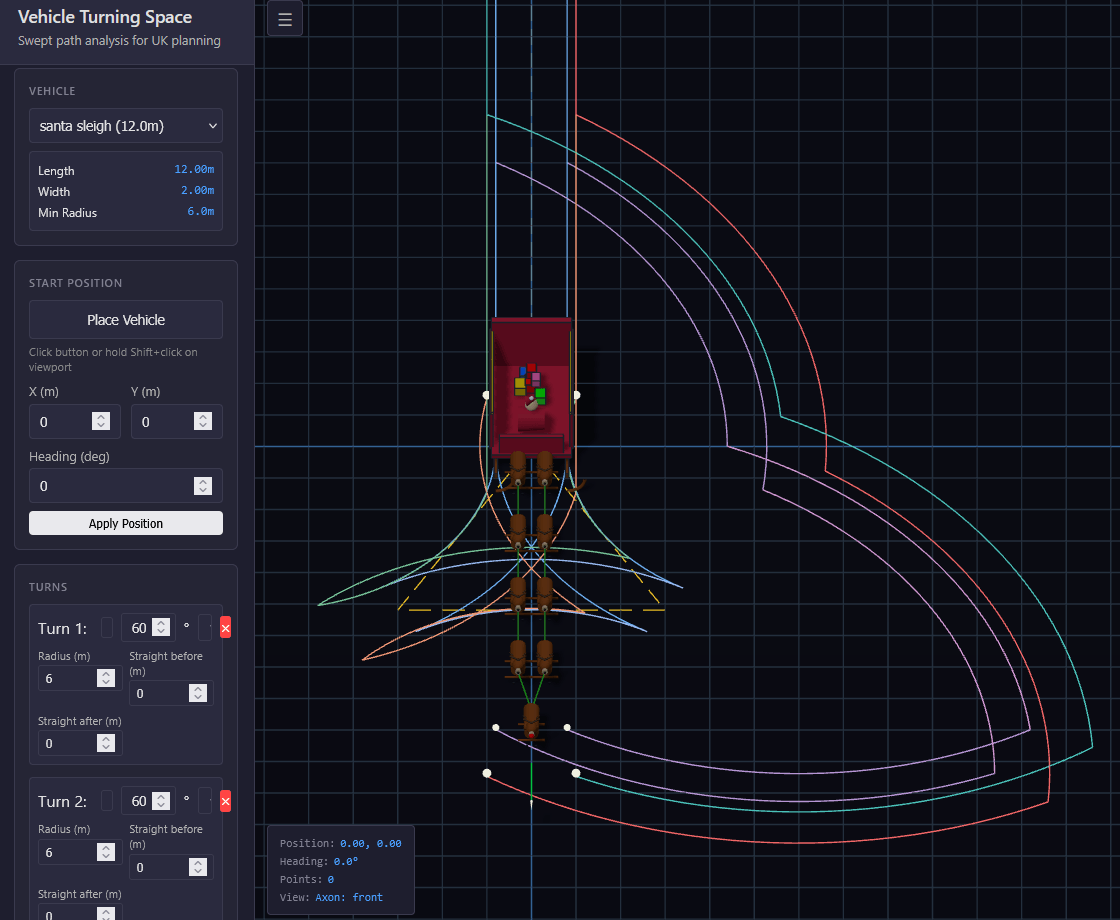
> part 2: why do we eat?
F.A.F.O
mistake strewn iterations as knowledge building!
...whilst a LLM holds your hand
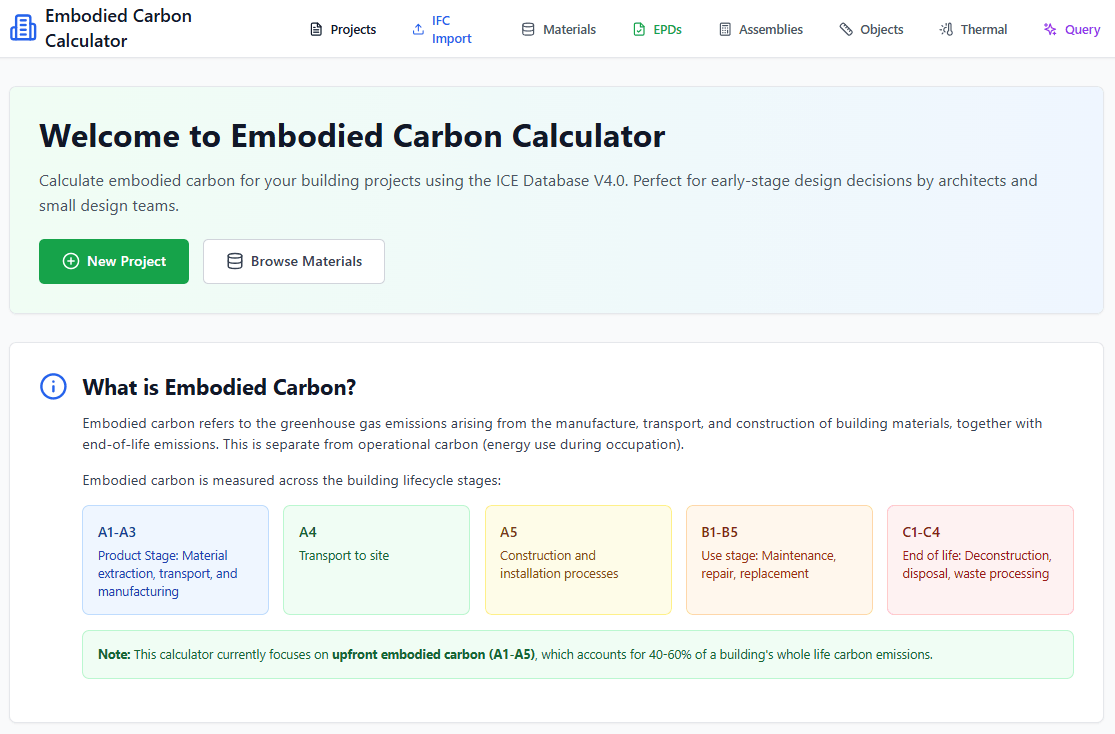
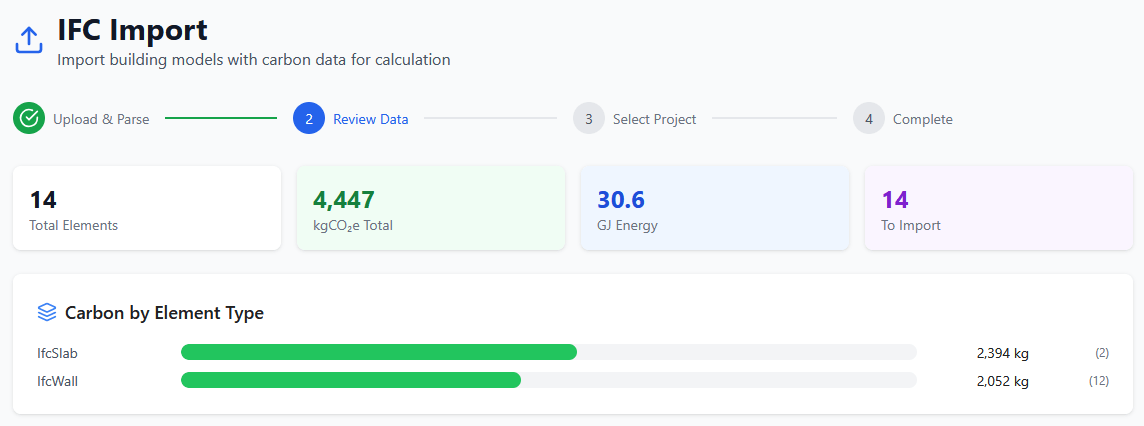
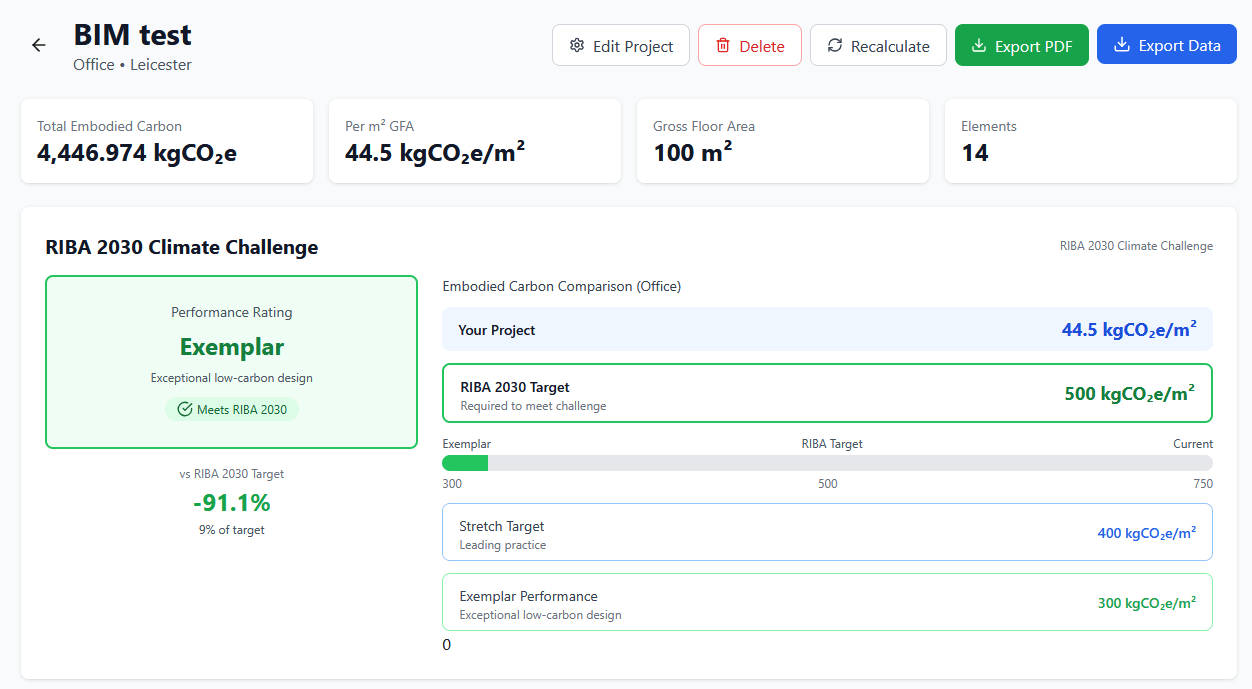
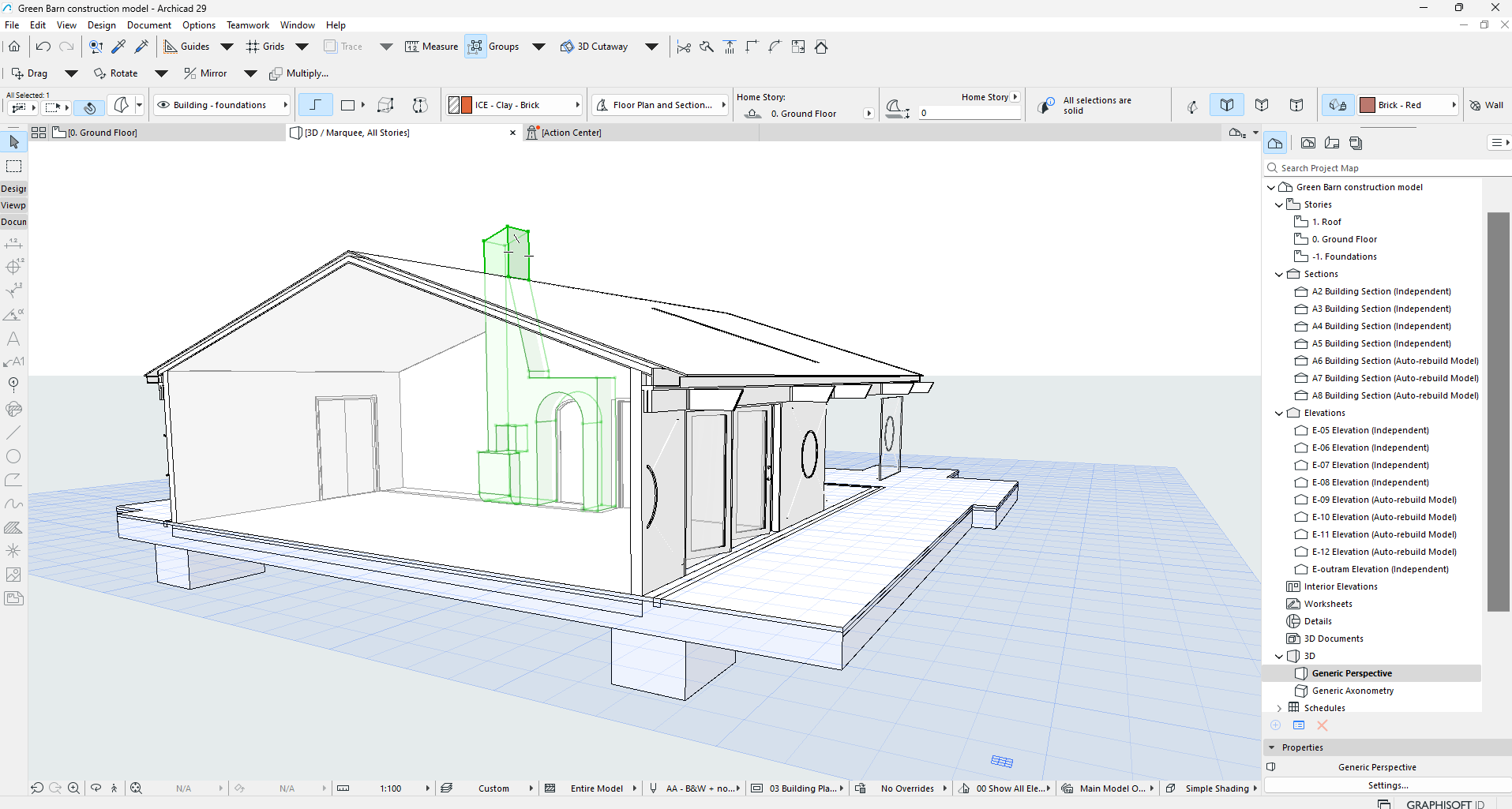
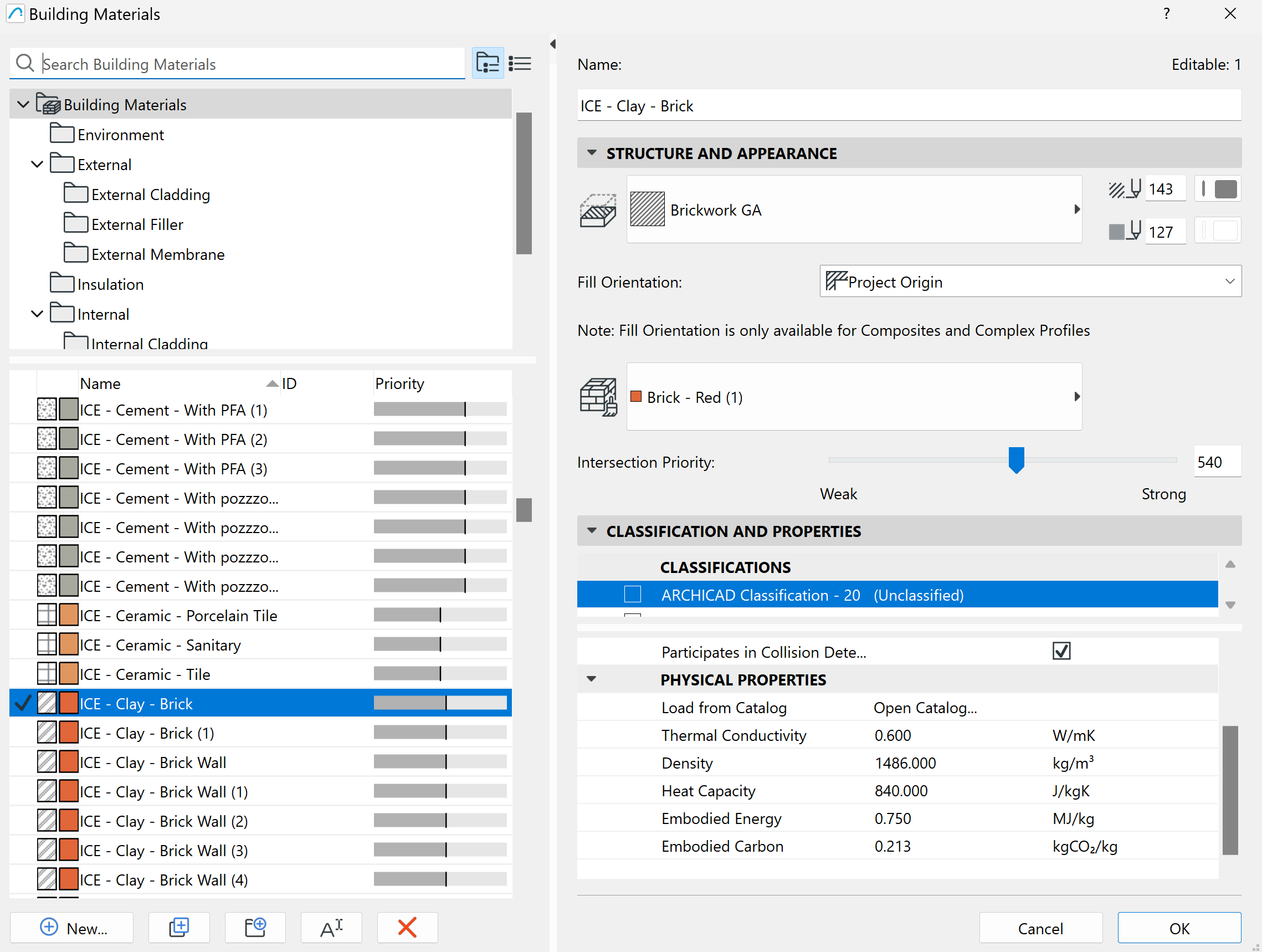
using LLMs to import material info into ArchiCAD
using LLMs to create bespoke software to analyse whole BIM
> part 2: why do we eat?
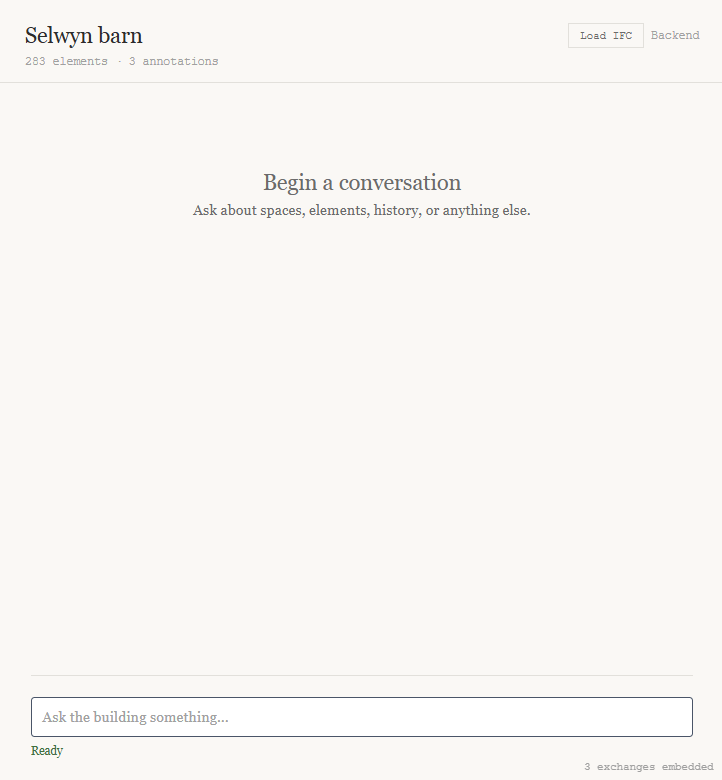
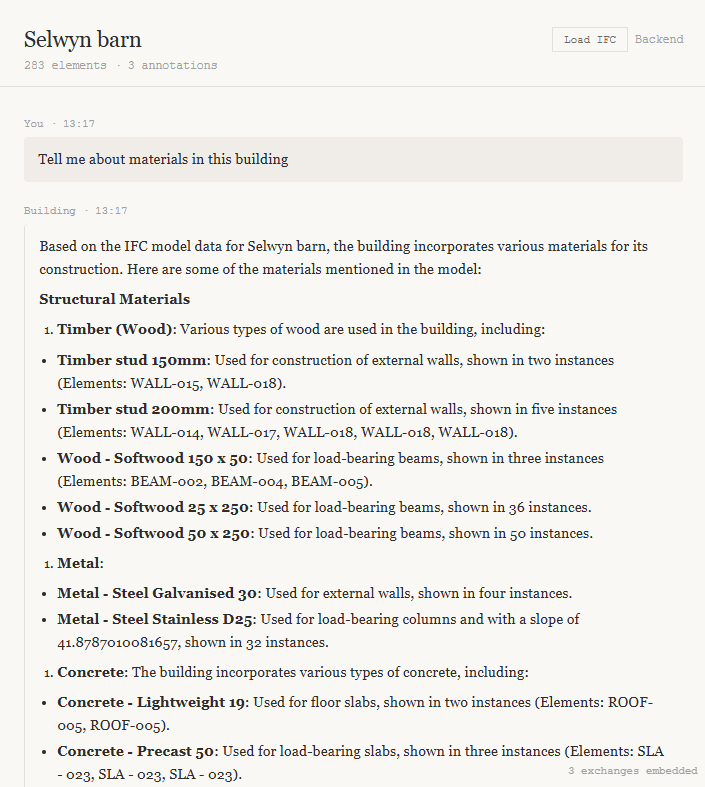
talk to your building...?
> part 2: why do we eat?
"Tools foster conviviality to the extent to which they can be easily used, by anybody, as often or as seldom as desired, for the accomplishment of a purpose chosen by the user."
— Ivan Illich
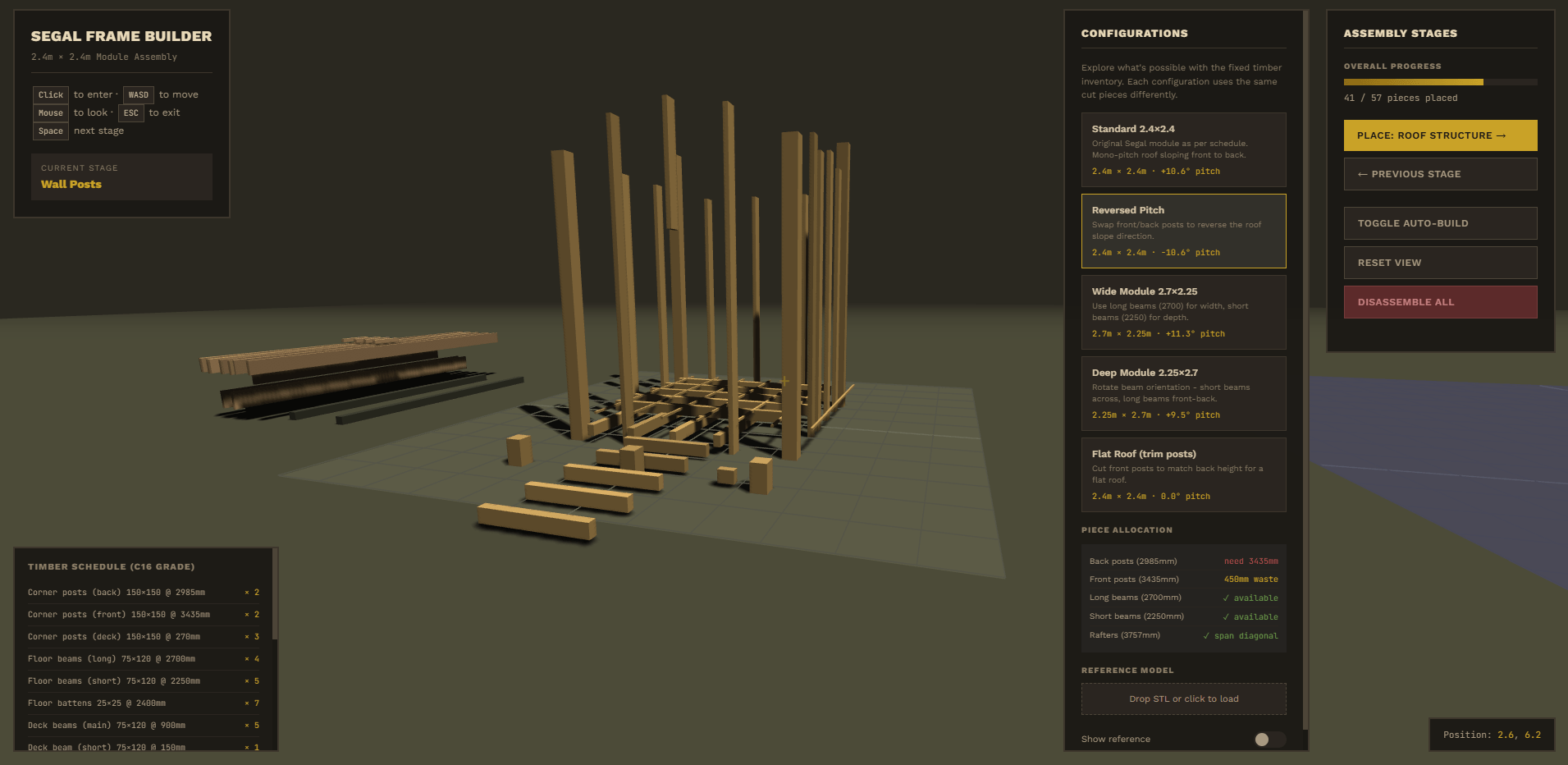
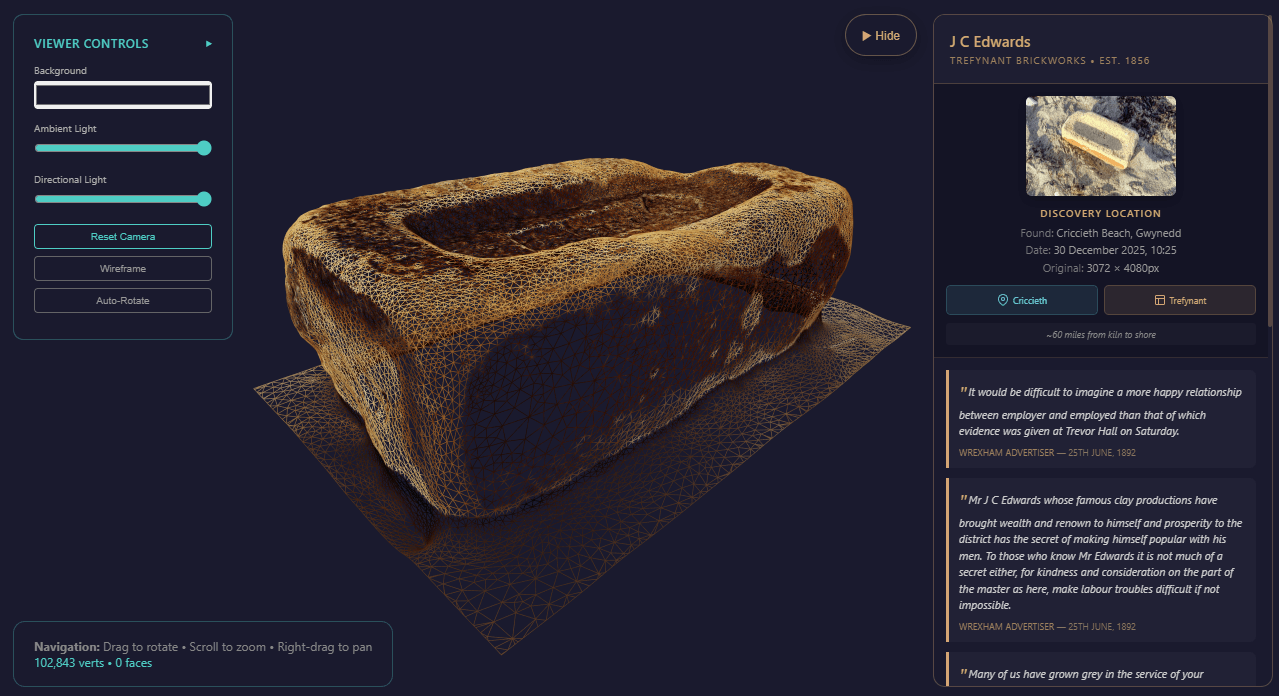
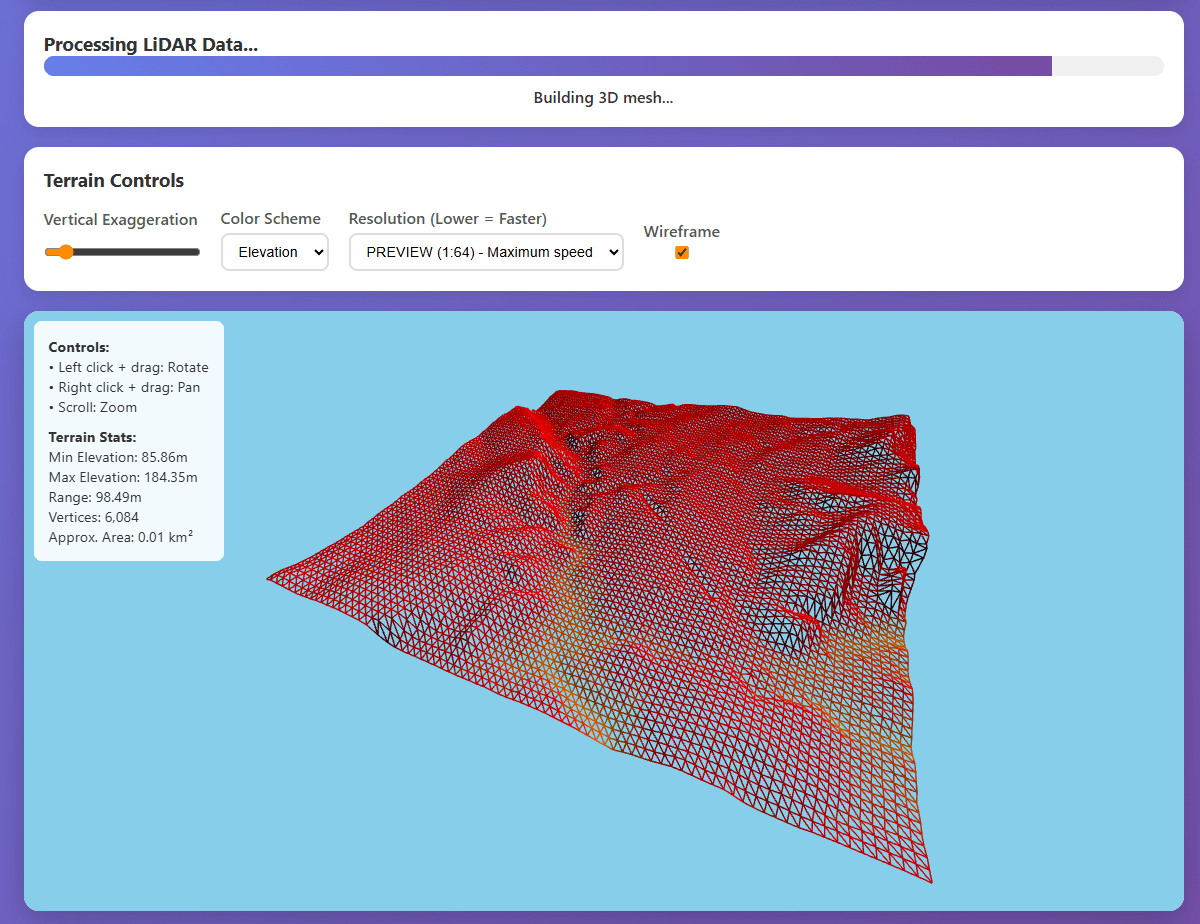
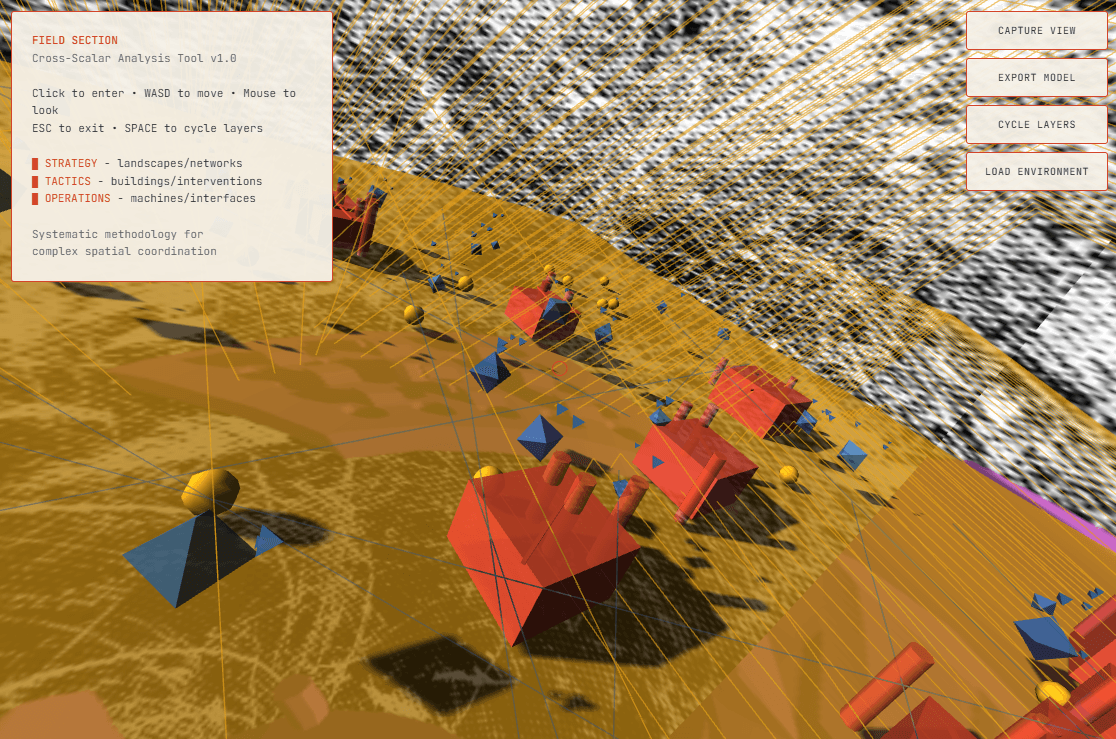
bespoke, rapid, single file tools
> part 2: why do we eat?
> part 2: why do we eat?
architecture barefoot developer clubs??
a network of groups making and sharing software under Creative Commons licenses - sharealike, attribution etc?
> part 3: where shall we have lunch?
proposition...
"Seize back the power of computation!"
"Make ethical robots!"
"PDFs are dead!"
"Local first!"
LARGE
LANGUAGE
MODEL
LLM stewardship on behalf of profession, responsible for dataset ethics, licensing and hosting and offering an accessible API (Application Programming Interface) to its data
> part 3: where shall we have lunch?
proposition...

"promoting and facilitating the acquirement of the knowledge of the various arts and sciences connected therewith"
— RIBA Charter 1837
Precedents:
The Library (since 1834)
190 years stewarding the profession's accumulated knowledge, free to access, open to all.
Education Validation (since 1924)
RIBA determines what constitutes professional knowledge.
Technical Resources
Plan of Work, Uniclass, (formerly) NBS. The profession has created shared infrastructure before.
BUT ... landlord, librarian, or gatekeeper?...
- If RIBA hosts centrally, is it still "local-first"?
- Can practitioners fork their own version?
- What happens when RIBA loses interest, or goes down?
...what is the nonscalable version? >>>
Public Commons Partnerships
> part 3: where shall we have lunch?
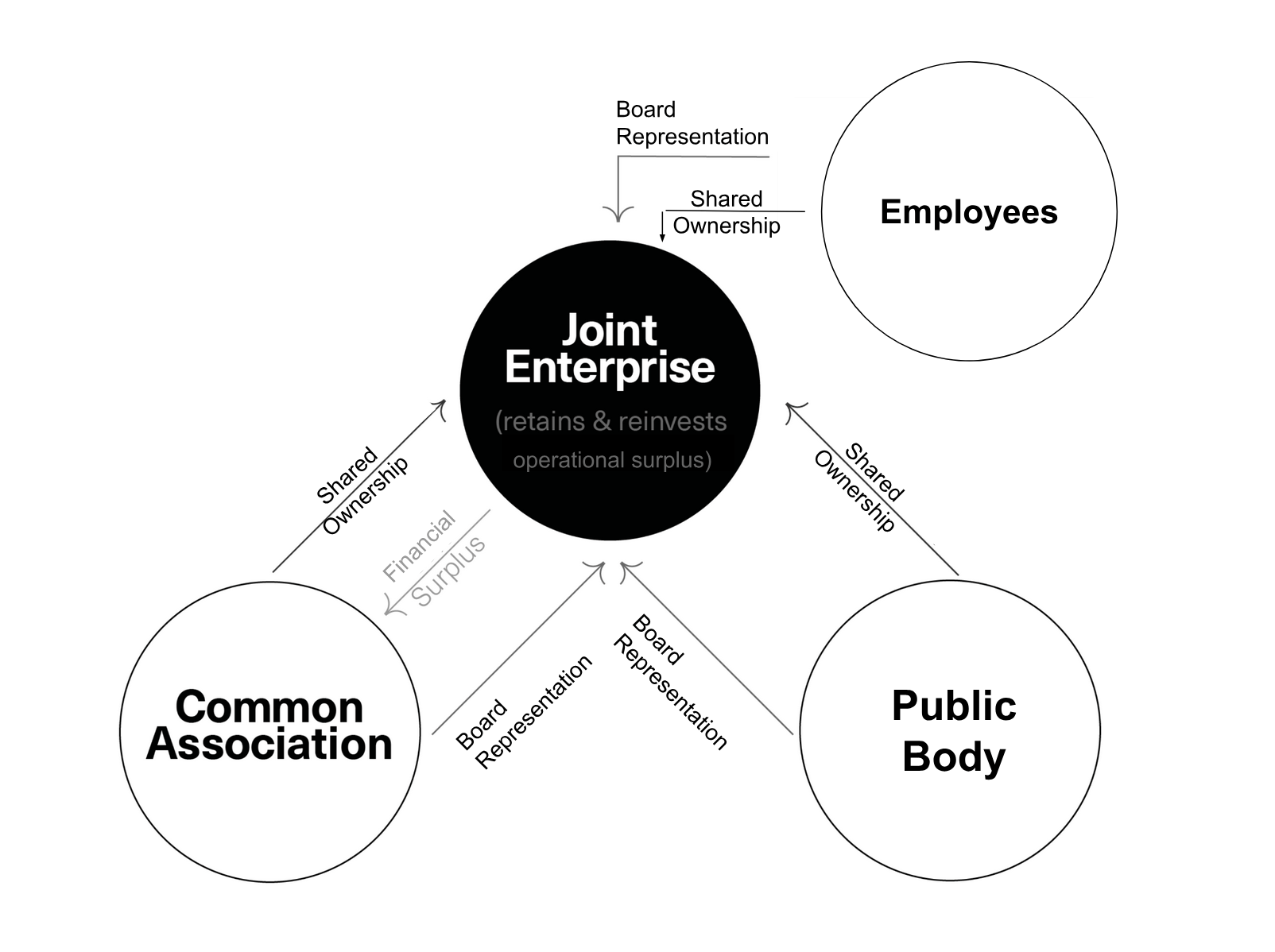
1. Workers, who manage the day-to-day running of the workplace.
2. A Public Body, such as a city council or agency, which provides resources and support.
3. The Common Association, made up of local residents who decide how profits are reinvested.
A PCP is built around a Joint Enterprise co-owned and co-governed by three groups:
This model is different from charities, community land trusts, and community consultation exercises. Its uniqueness lies in combining worker control, community decision-making, and public support into one institution. The goal isn’t just to make workplaces fairer, but to steadily grow the commons — the shared wealth and resources that belong to all of us.
— Radical Abundance
Radical Abundance British Architects
> part 3: where shall we have lunch?
RABA
"Seize back the power of computation!"
"Regional Barefoot Clubs"
CREATIVE SURPLUS?
????